Snow Queen
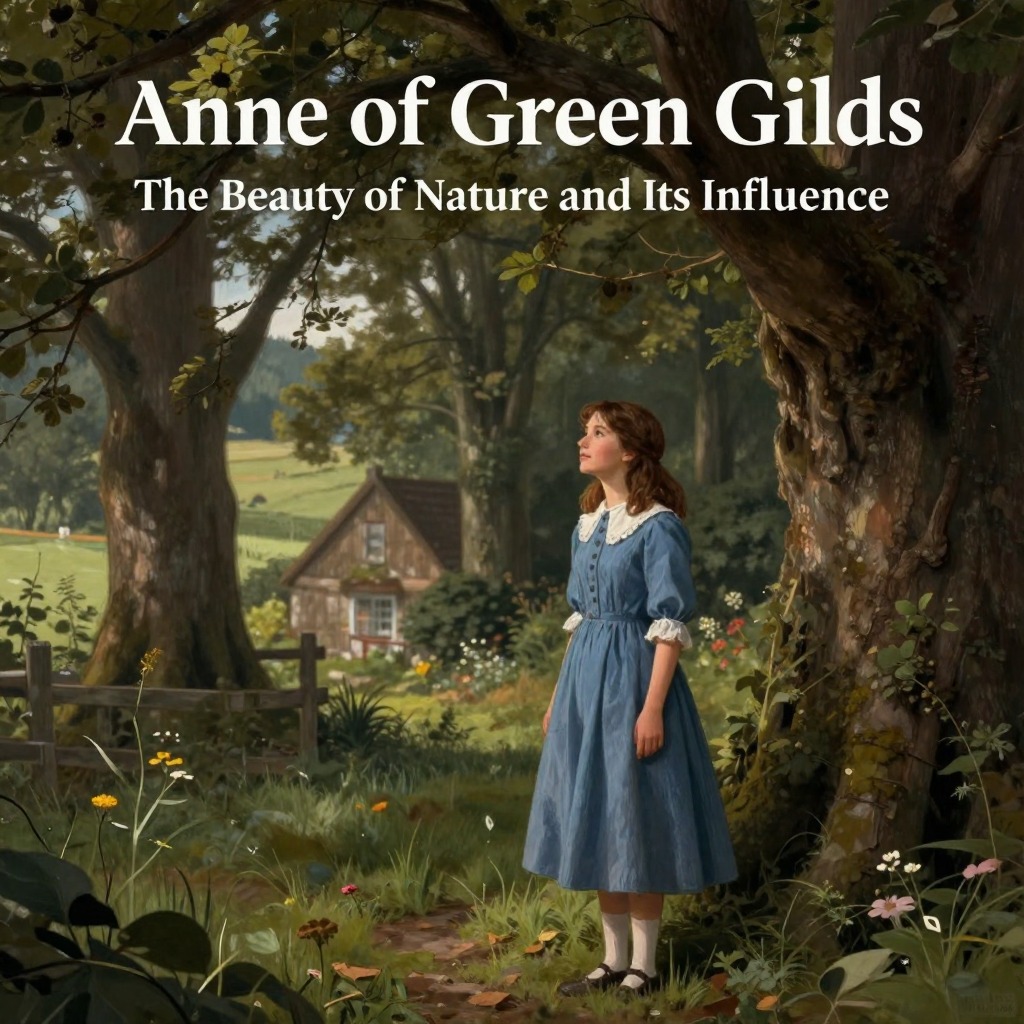
The Snow Queen is the name Anne Shirley gives to the cherry tree that grows so close to her east gable window at Green Gables that its boughs tap against the house. It is the first thing she sees on her first morning there, a huge tree "thick-set with blossoms that hardly a leaf was to be seen," and it becomes one of the most intimate landmarks of her imaginative life. The tree is not merely a piece of the landscape; it is a named, beloved presence through which Anne anchors herself to her new home and through which the novel traces her growth from a lonely orphan into a young woman rooted in love and loss.
Naming and the Power of Imagination
Anne names the cherry tree the Snow Queen on the very morning after her arrival at Green Gables, while she is still uncertain whether she will be allowed to stay. When Marilla asks the name of a geranium on the windowsill, Anne explains her habit of giving names to things: "I named that cherry-tree outside my bedroom window this morning. I called it Snow Queen because it was so white. Of course, it won't always be in blossom, but one can imagine that it is, can't one?" This act of naming is a declaration of imaginative sovereignty. The tree, in its full white bloom, becomes a perpetual invitation to see beyond the literal—to imagine blossoms even when the branches are bare. The name itself, drawn from fairy tale and romance, transforms a common orchard tree into a figure of regal beauty, a queen of the winter that will follow. Anne later addresses the tree directly: "Dear Snow Queen, good afternoon," she says, blowing it a kiss from her window, treating it as a sentient companion in a world that had given her few real ones.
A Witness to Joy and Sorrow
The Snow Queen frames the most significant moments of Anne's life at Green Gables. On her first morning, she drops to her knees at the window, gazing out at the cherry tree and the orchard beyond, and declares, "Oh, isn't it wonderful?" The tree is the first beauty she claims as her own. Years later, on the evening before Matthew Cuthbert's death, Anne sits by her gable window looking out past the boughs of the Snow Queen, "once more bestarred with its tufts of blossom." The tree is in bloom again, marking the passage of time and the return of spring. That night, after Matthew dies, Anne stands at the same window, and the Snow Queen is "mistily white in the moonshine." The tree that welcomed her now witnesses her grief. It is the last thing she sees before sorrow touches her life, and its silent, blooming presence becomes a measure of continuity—the world goes on, beautiful and indifferent, even as her heart breaks.
The Tree as a Symbol of Home and Belonging
The Snow Queen is inseparable from Anne's sense of home. When she first sees Green Gables from the hill, she identifies it by the "dimly white with blossoming trees in the twilight of the surrounding woods." The cherry tree is part of the visual signature of the place she instantly recognizes as home. Throughout the novel, the tree is associated with the east gable, the room that becomes Anne's own sanctuary. It is the window through which she watches the morning come up over the long hills, the tree that taps against the house as if in greeting. When Anne returns from Queen's Academy after winning the Avery scholarship, she looks about her white room and draws a long breath of happiness, seeing "the old Snow Queen" outside. The tree is a fixed point in a changing life, a reminder that Green Gables is always there to come back to. Even in the final chapter, as Anne sits at her window after deciding to stay and teach, the cherry boughs are there, and the wind purrs softly in them. The Snow Queen endures, a silent witness to the bend in the road.